

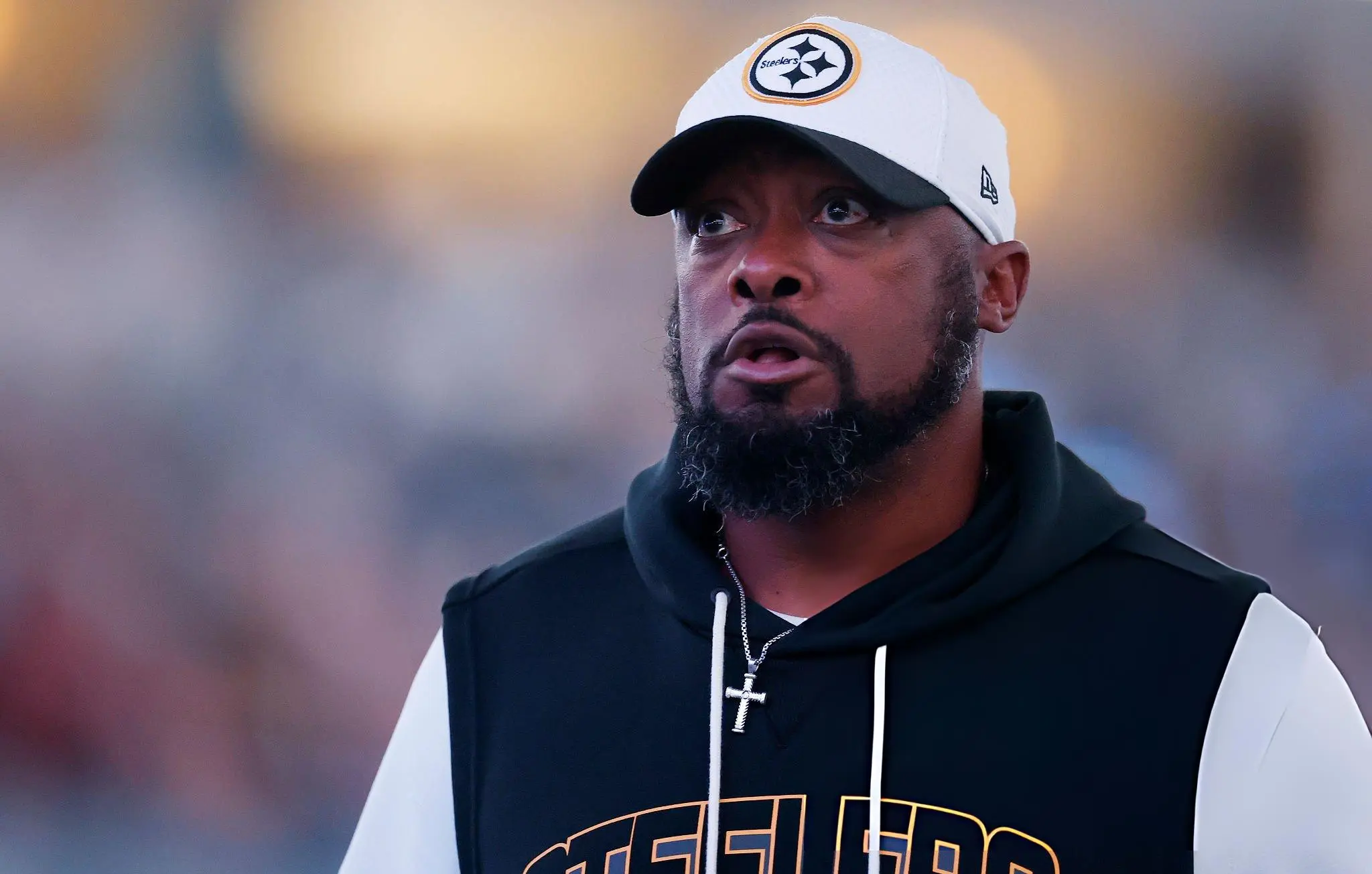

The Pittsburgh Steelers QB Aaron Rodgers just delivered his ugliest performance of the year, and naturally, the outside noise swelled. He was bombarded with questions about aging, declining mobility, decision-making, and the whole package. But inside the building? Mike Tomlin wasn’t having any of it. His tone this week wasn’t defensive or dismissive. It was decisive.
And that’s the part that will annoy Rodgers’ critics the most: Tomlin didn’t flinch. If anything, he doubled down. He framed Rodgers’ rough outing the way actual NFL lifers do and not as a death sentence, but as a data point. A bump. A moment to respond. And in Tomlin’s world, how Rodgers responds matters far more than what happened last week.
Mike Tomlin Backs Aaron Rodgers
Tomlin didn’t bother sugarcoating Rodgers’ bad day. Instead, he zoomed out and looked at the bigger arc of the quarterback he’s coaching.
“I saw a business-as-usual response,” Tomlin said when asked how Rodgers handled the week after the disastrous performance. “This is not his first rodeo. It’s probably not his first bad game, even though I’m sure he won’t admit it.”
That’s the message: experience over panic. Pedigree over overreaction. Tomlin made it clear that Rodgers’ week wasn’t filled with sulking or scrambling for answers. It was exactly what a veteran coach wants from a veteran quarterback. The fans want Rodgers to have steady energy, sharp corrections, and zero theatrics.
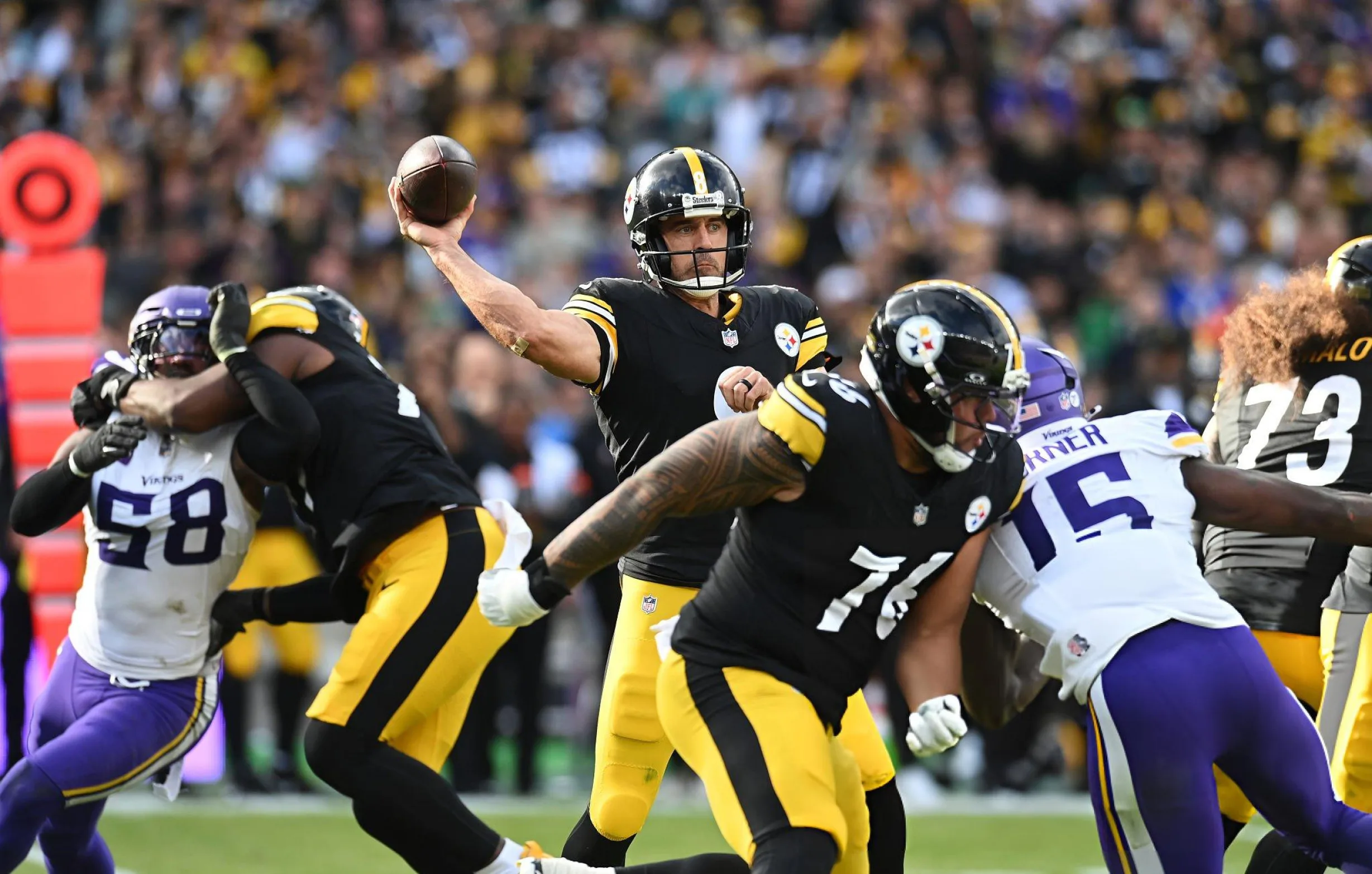
Tomlin also emphasized the trait that has defined Rodgers’ career more than any single stat or accolade. His resilience.
“You don’t get to be Aaron Rodgers without the bounce-back factor,” Tomlin said. “How you respond to negativity, how you smile in the face of adversity, and we get an opportunity to see him do that today.” Translation? Rodgers doesn’t need public comfort. He needs a stage.
In the previous game against Jim Harbaugh’s Los Angeles Chargers, Rodgers completed 16 of 31 passes and threw for 161 yards with a 51.6% completion rate. That registered his own low-output day by his standards in his whole career. He managed one touchdown pass, but more troubling were the two interceptions.
Responding to the media, Rodgers clarified his stance six days ago, saying, “I expect to play great every single week, and this was not my best performance,” Rodgers said. “I’ve got to play better than this for us to win. Whatever it takes. If it’s better checks, if it’s better throws, I’ve got to play better. I will, but we’ve got to bounce back.”
In short: Rodgers looked out of rhythm, made costly errors, and failed to generate meaningful momentum for his team. This was a clear step back, but now the focus shifts to how he bounces back.