

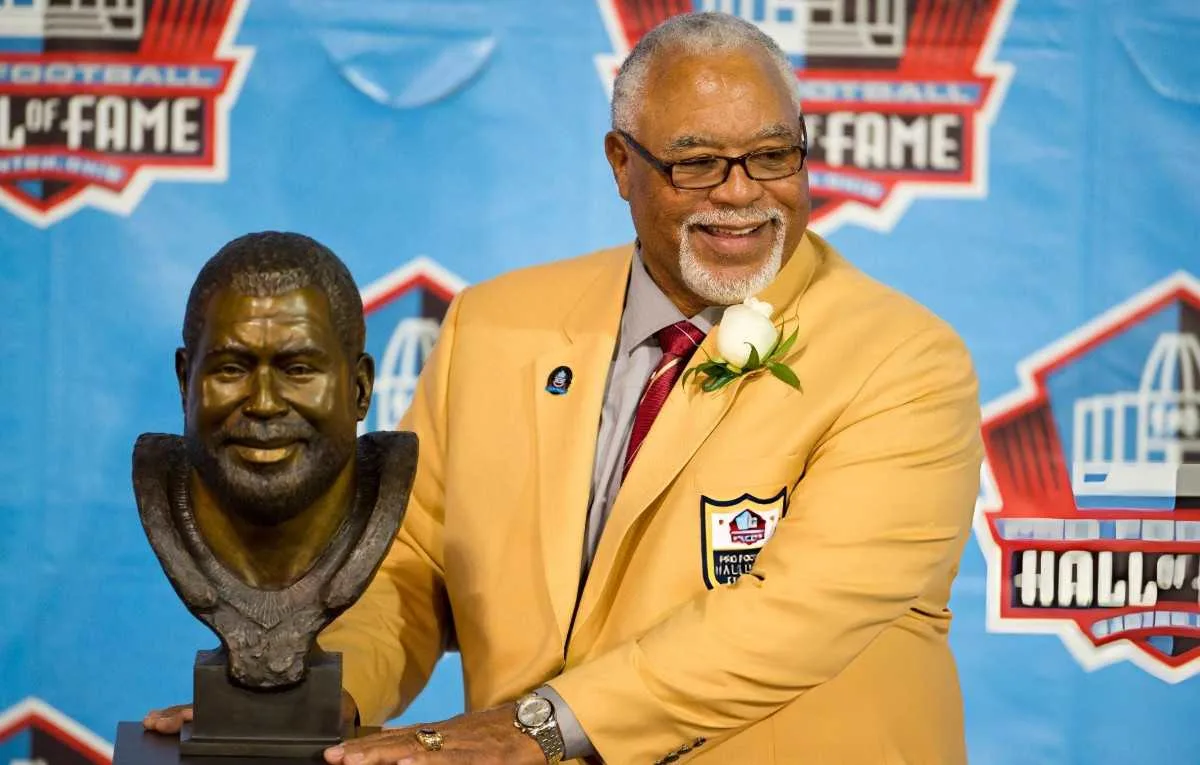

Former NFL star defensive tackle Curley Culp’s death on this day in 2021 still hits like a gut punch for anyone who understands what real defensive line dominance looked like. He passed away at 75, and even now, four years later, you feel the void. The Oilers lost a cornerstone, the NFL lost a pioneer, and the old-school trenches lost a force of nature who never truly got his due while he was here.
Because here’s the thing, Culp wasn’t just another name from a bygone era. He was one of the rare defenders whose reputation only grows with time. Coaches and players who faced him, especially those who tried to block him, say he played on a completely different level. Every tribute that resurfaces on days like this reminds you that the league still hasn’t produced many like him.
Former Oilers nose tackle Curley Culp is being remembered today on the anniversary of his passing in 2021. A Hall of Famer, Super Bowl champion, and the heartbeat of the Oilers’ (today’s Tennessee Titans) iconic Luv Ya Blue defenses, Culp remains one of the most respected defensive linemen in NFL history. Fans and former players continue to honor his impact, ensuring his legacy doesn’t fade with time.
Steelers legend Mike Webster didn’t praise opponents casually, but according to his son, Garrett Webster, Culp was on a different level. Posting on X, Garrett shared, “My dad said Mr Culp was maybe the best defensive lineman he ever faced and he had massive respect for him. [I] would talk about him endlessly! RIP curly.” When the greatest center of all time calls you his toughest matchup, that’s not a compliment. But that’s a badge of immortality.
The Legacy of Former Star Defensive Tackle Curley Culp
Curley Culp’s legacy begins with a simple truth: he reshaped what an interior defensive lineman could be. Before he ever bulldozed his way through NFL offensive lines, he was already an athletic phenomenon at Arizona State.
He became an All-American nose guard and an NCAA heavyweight wrestling champion, finishing with an 84–11–1 record and winning the 1967 national title. His wrestling mastery was not just a highlight of his college years; it became the foundation of his greatness in professional football. The balance, hand control and leverage that defined his game came directly from those long battles on the mat, and they made him nearly immovable once he locked in over the center.
Drafted by the Broncos in 1968, Culp was initially misunderstood. Coaches believed his six-foot-one, 265-pound frame was too small for the defensive line and tried converting him into a guard. Denver eventually traded him to Kansas City before he played a single snap, a mistake that would look worse every passing year.
With the Chiefs he joined one of the toughest defenses of the era and became a central force in their Super Bowl IV victory. Hank Stram placed him directly over Vikings center Mick Tingelhoff, and Minnesota never recovered. Culp overwhelmed one blocker after another.
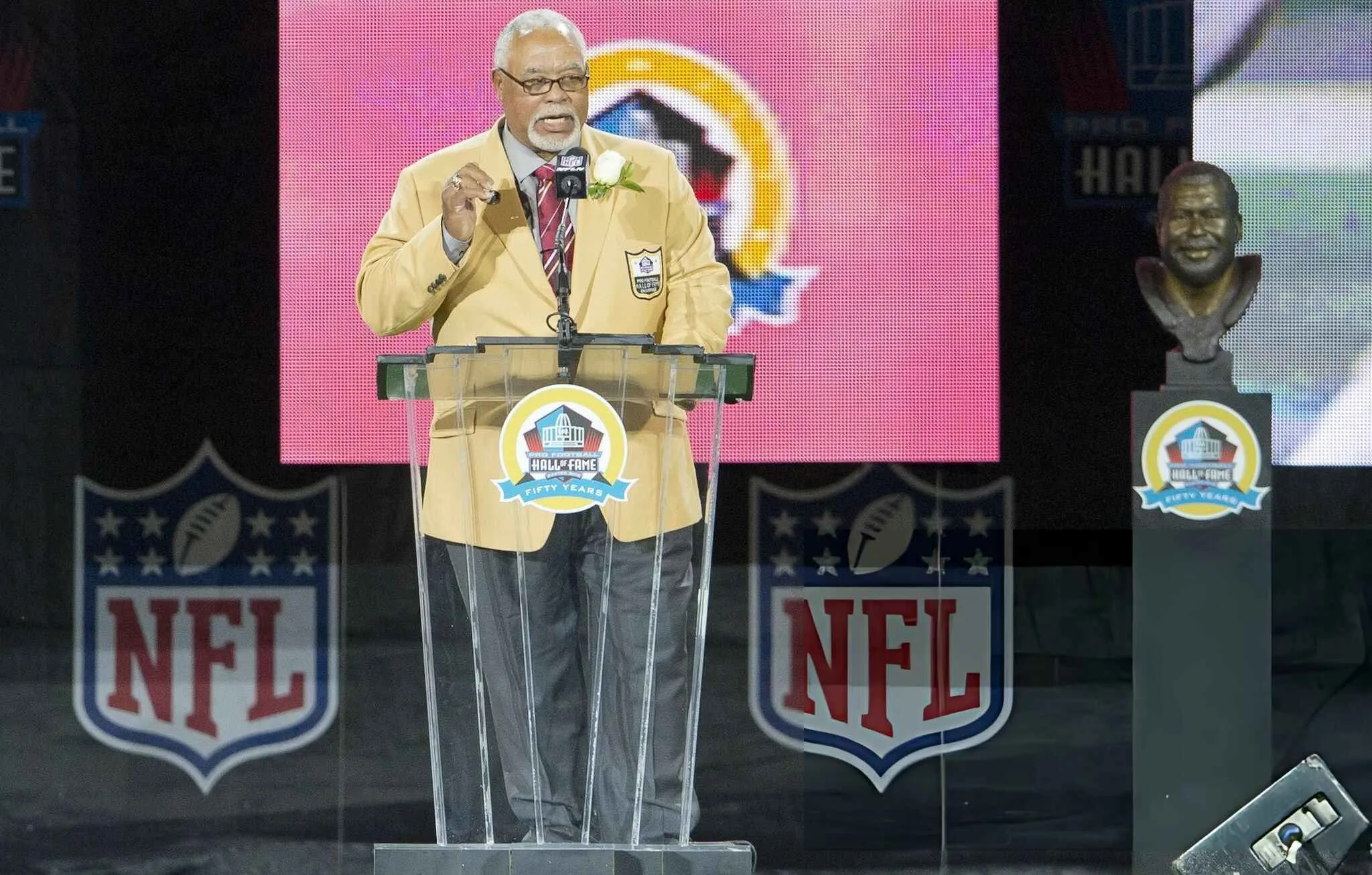
His arrival in Houston in 1974 marked the beginning of his true legend. The Oilers acquired him midseason in a trade that quickly became one of the most lopsided deals of the decade. In Houston he became the heartbeat of Bum Phillips’ emerging 3–4 defense and the prototype for every great nose tackle who would come after him.
Opponents routinely threw two and sometimes three bodies at him, freeing teammates like Elvin Bethea and later Robert Brazile to create havoc on the edges. The Oilers transformed from an afterthought into a contender during the “Luv Ya Blue” years, and team owner Amy Adams Strunk later credited Culp as one of the major catalysts behind that rise.
Although sacks were not officially recorded during much of his career, historical research credits him with nearly seventy career sacks and an 11.5-sack season in 1975. For a nose tackle of that era, those numbers border on unbelievable. Culp played fourteen NFL seasons for the Chiefs, Oilers and Lions, earning six Pro Bowl selections, multiple All-Pro honors and the 1975 Defensive Player of the Year award. Few players at one of the most physically punishing positions in the sport ever maintained such a high level for so long.
Culp earned a place in the Chiefs Hall of Fame, the Arizona State Sports Hall of Fame, the National Wrestling Hall of Fame, and the Pro Football Hall of Fame in 2013. Analysts and football historians consistently rank him as one of the greatest nose tackles ever, crediting him with redefining the position. Today’s dominant nose tackles follow the blueprint he created: a low center of gravity, an explosive first step, superior hand leverage, and the ability to command double-teams without budging.
Curley Culp passed away on November 27, 2021, in Pearland, Texas, after battling stage IV pancreatic cancer. He was seventy-five. Yet his influence continues to rise. The Chiefs and Titans organizations still highlight his role in their histories. The Pro Football Hall of Fame regularly reintroduces his accomplishments to newer generations, while wrestling communities celebrate him as a bridge between two grueling sports. And the highest measure of his greatness still comes from the men who faced him.
When legends like Mike Webster privately called Culp the toughest defensive lineman they ever encountered, it confirmed what film and history already show. Curley Culp was more than a star. He was a standard every nose tackle has been measured against.