

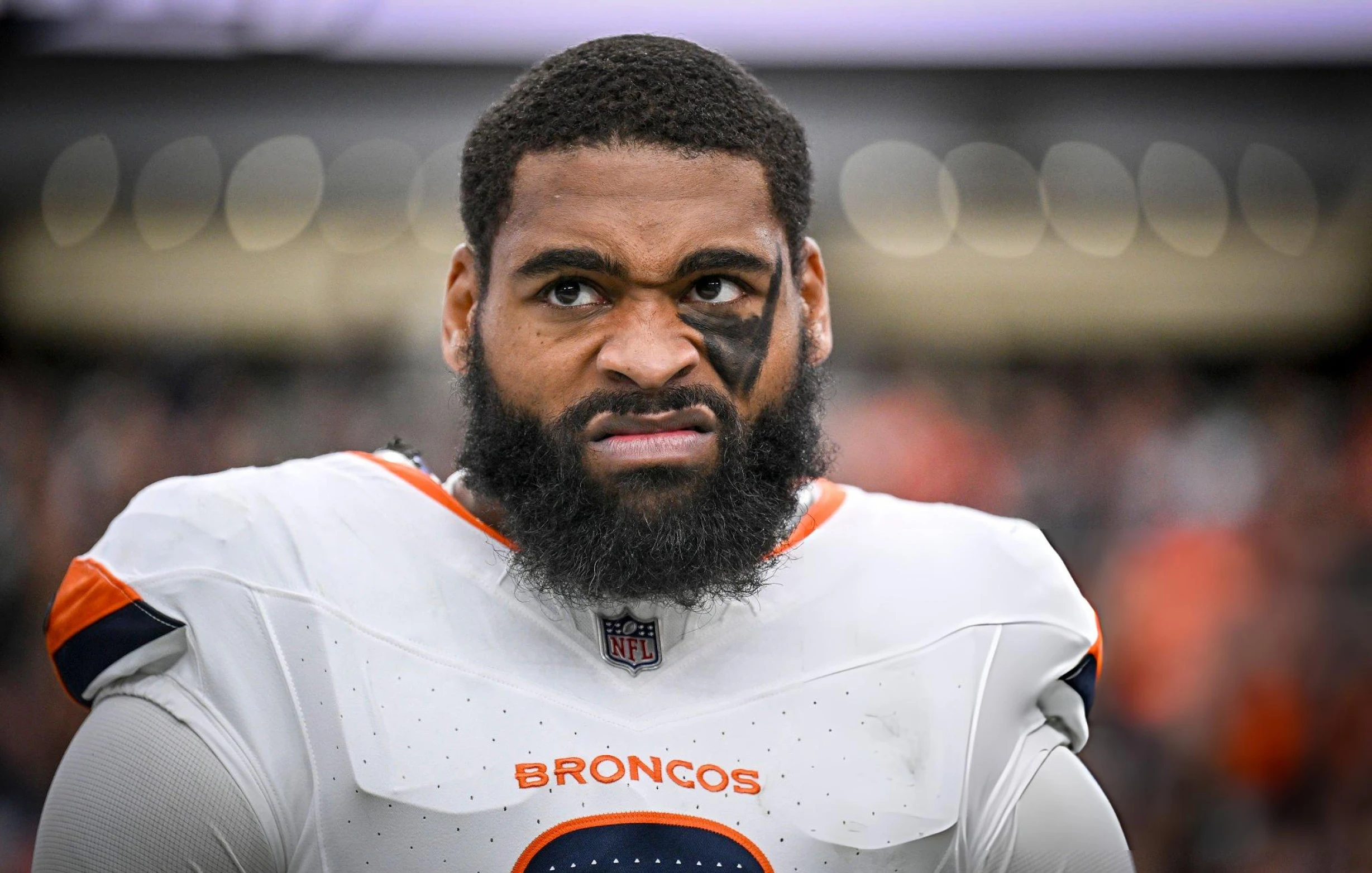

The ongoing situation around the Denver Broncos’ linebacker, Jonathan Cooper, has created major financial and roster uncertainty for the Broncos, given the structure of his contract and recent salary cap decisions. What happened on June 11 and the week before that has created turmoil in Denver and in the Broncos’ front office.
In the latest development on Thursday, June 11, Cooper was arrested around 6 p.m. by Parker Police and later booked into Douglas County Jail at approximately 10:07 p.m, as reported by the Broncos insider Mike Klis.
According to reports, the Broncos linebacker is now facing four additional charges linked to alleged violations of a protection order issued against him after getting arrested a week ago for two charges.
The new charges also include a felony enhancement for second-degree assault. For that, Cooper is expected to appear in court this morning as the legal process continues to unfold.
And as a result of this development, the Broncos might punish Cooper with a suspension that will cost him significantly. Cooper is currently in Year 3 of a 5-year, $57 million deal that includes $11.5 million in fully guaranteed money for the 2026 season. (On paper, Cooper is under a 4-year, $60,000,000 contract with the Denver Broncos, including a $6,000,000 signing bonus, $32,096,000 guaranteed, and an average annual salary of $15,000,000.)
Earlier this year, the Broncos restructured his contract by converting $10.2 million of salary into a signing bonus as part of standard cap management. While that move helped spread cap hits over multiple seasons, it also increased the amount of prorated bonus money still tied to future cap years.
From a disciplinary standpoint, any suspension would carry a direct weekly financial impact.
The NFL’s personal conduct policy establishes a clear baseline for disciplinary action in cases involving serious allegations such as domestic violence, assault, or related forms of family or sexual violence. The policy states that for these violations, “a first violation will subject the violator to a baseline suspension without pay of six games.”
However, it also gives the league discretion to adjust the punishment, allowing for “possible upward or downward adjustments based on any aggravating or mitigating factors.” In practice, this means six games is the starting point for suspension. Still, the NFL can increase or reduce the penalty depending on the severity of the incident, prior history, evidence, and other relevant circumstances considered during the investigation.
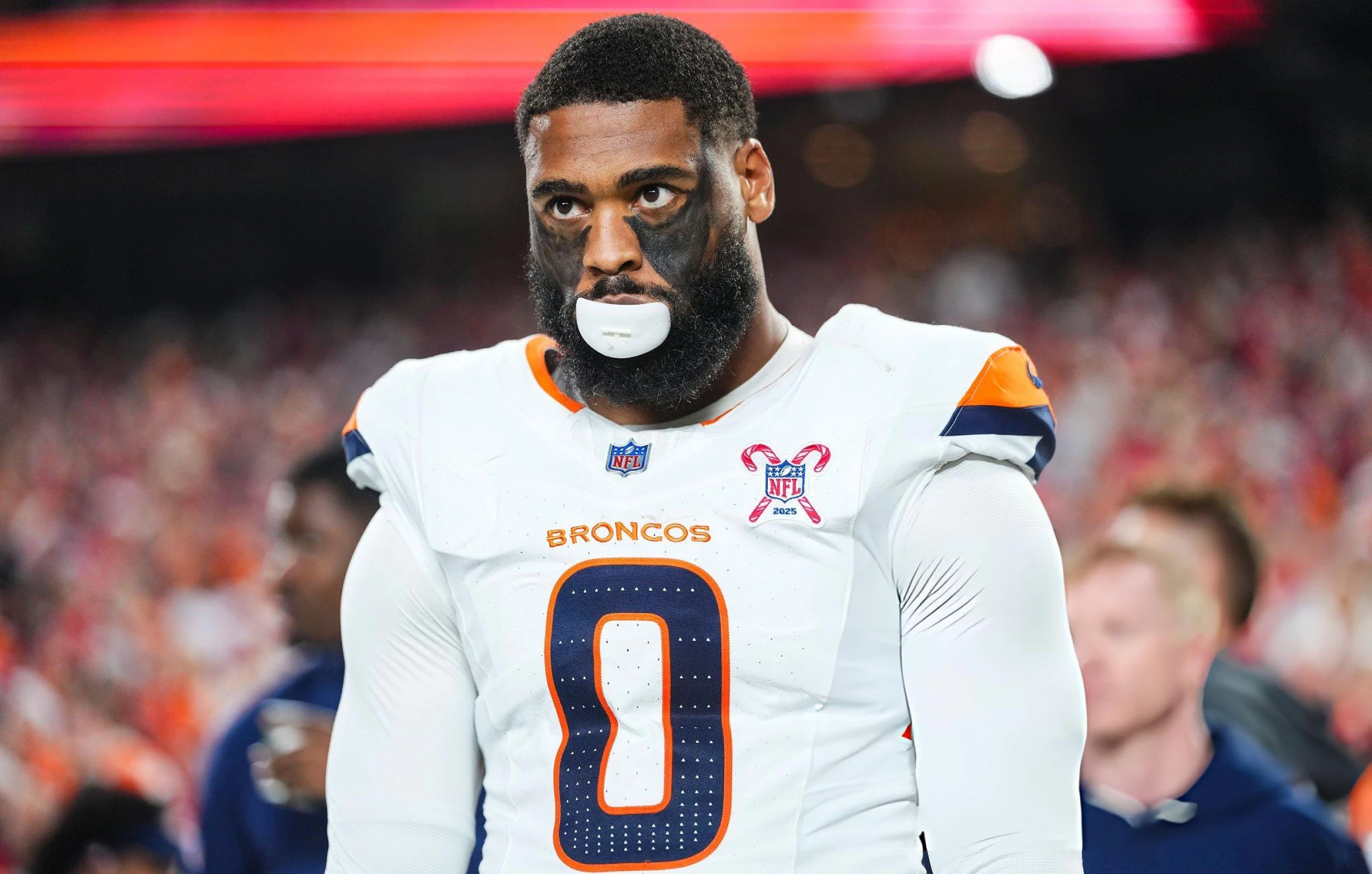
So per the salary conversion, Cooper would lose approximately $67,500 per league week if suspended while on the active roster. That figure reflects his game-by-game earnings under the current structure and would apply for each week missed under league discipline.
However, the larger financial consequences could emerge if the situation escalates further. In a more severe outcome, the Broncos could choose to release Cooper and potentially pursue recovery of more than $17 million in remaining signing bonus allocations. That outcome would depend on league rulings, contract language, and whether conduct-related void provisions are triggered.
Beyond finances, Cooper remains an important rotational piece on Denver’s defensive front. That means any extended absence could force the team to reassess depth and long-term planning at outside linebacker.